1/6 Scale RC Off-Road Jeep Guide: Trail Setup & Care
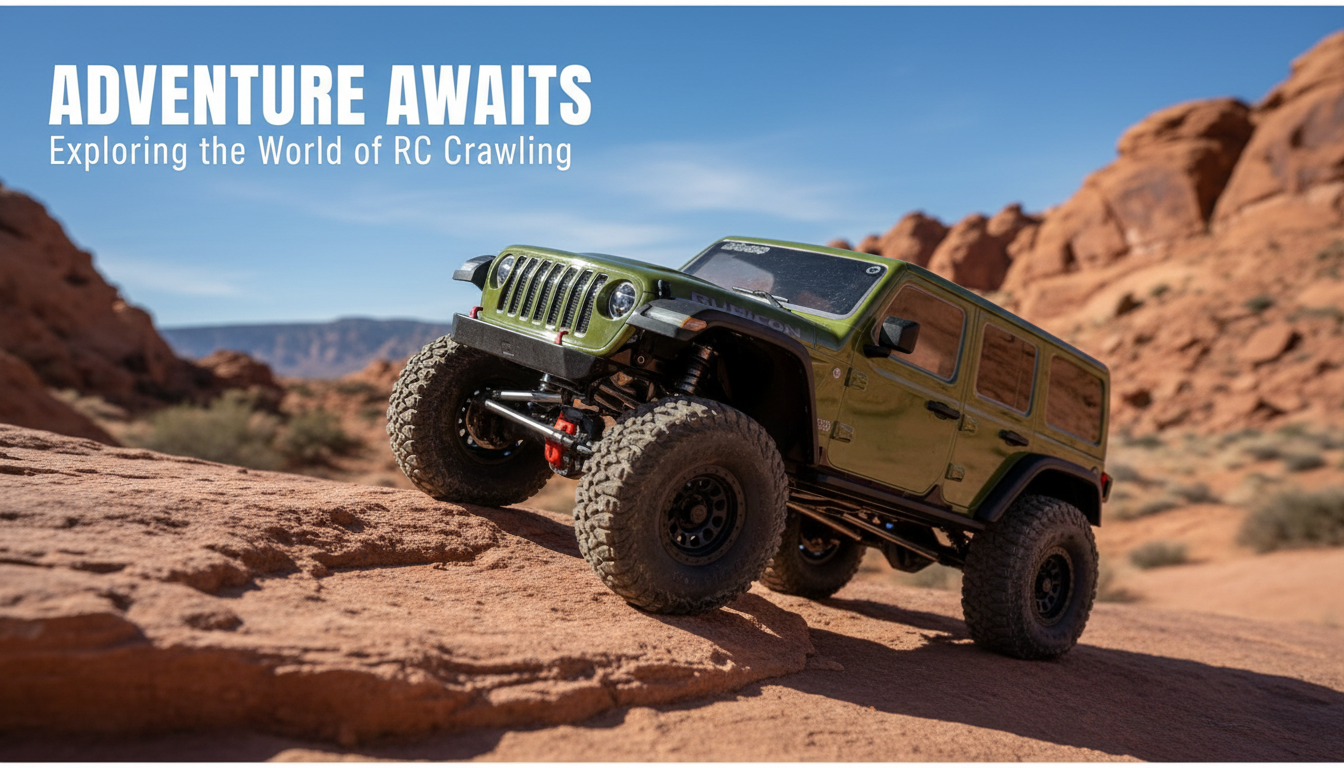
Ultimate 1/6 Scale RC Off-Road Jeep: Big-Scale Trail Presence and What to Expect
A 1/6 scale off-road RC Jeep is built for drivers who want realistic proportions, confident trail manners, and a model that feels substantial in-hand and on the ground. This guide breaks down the key traits that matter in big-scale off-roaders—scale realism, drivetrain and suspension basics, terrain capability, setup needs, and care—so it’s easier to judge whether this model fits the way it will be used.
Why 1/6 scale changes the experience
Moving up to 1/6 scale isn’t just “bigger”—it changes how the vehicle behaves on real terrain and how it feels to drive. Big-scale rigs tend to look more lifelike at walking speed, and they reward careful throttle control and line choice.
- Presence and stability: Larger tires and a wider stance can feel more planted over uneven ground than smaller scales, especially when crossing ruts or off-camber sections.
- More visible trail driving: It’s easier to spot suspension movement, tire deformation, and body roll from farther away, which makes slower trail sessions more satisfying.
- Storage and transport considerations: Longer wheelbases and larger bodies often require dedicated shelf space, a larger tote, or a trunk-friendly packing plan.
- Typical use cases: Backyard obstacles, dirt paths, light rocks, and scale trail sessions are a natural match—rather than high-speed bashing or skate-park launches.
Scale realism details worth checking
Big scale puts every detail on display. Even if performance is the priority, the “parked realism” factor matters when you’re filming, photographing, or simply enjoying slow crawling.
- Body finish and trim: Clean panel lines, consistent paint, and securely mounted accessories (mirrors, bumpers, roof pieces) reduce rattles and trail breakage.
- Chassis realism: Frame-rail style chassis layouts and visible driveline elements can make the model look convincing when creeping over obstacles.
- Lighting and electronics integration: Confirm whether lights are included and how they’re powered (receiver-controlled vs. always-on), especially if night trail runs are planned.
- Interior and driver area: If realism matters, check whether the cabin has molded details or a simplified interior—big scale makes bare interiors more noticeable.
Off-road capability: drivetrain, suspension, and tires
Trail performance comes from controlled torque, predictable suspension, and tires that match the surface. Raw speed is rarely the goal for this size; smoothness and grip are.
Quick checklist for trail performance (confirm on the product page)
| What to look for | Why it matters on trails | Good sign |
|---|---|---|
| 4WD drivetrain | Improves climbing and loose-surface traction | Power to both axles without frequent wheelspin |
| Protective skid/underside coverage | Reduces damage from rocks and roots | Smooth underside with guarded drivetrain areas |
| Compliant suspension with controlled rebound | Maintains tire contact and stability | Settles quickly after bumps instead of pogoing |
| Off-road tire tread and suitable compound | Determines grip far more than raw power | Bites into dirt and conforms on uneven rock |
| Strong steering response | Helps pick lines and avoid rollovers | Turns confidently without binding or stalling |
Setup and first run: a practical pre-drive routine
For general RC operating etiquette and safety practices, the Academy of Model Aeronautics (AMA) safety resources are a solid baseline—even for ground vehicles where responsible operation still matters.
Care, durability, and long-term enjoyment
- Cleaning: Brush off grit first, then wipe with a damp cloth. Avoid forcing debris deeper into bearings, pivots, or driveline joints.
- Drivetrain wear points: Listen for clicking under load, check for excess slop at driveshafts, and feel for abnormal heat near the motor/ESC area after runs.
- Suspension upkeep: Inspect for leaking shocks, bent links, and loose pivot hardware; re-tighten and re-check after hard sessions.
- Battery care: Store packs at a safe storage level when not in use and use a charger with balancing capability when applicable. Battery handling and longevity basics are well summarized by Battery University.
- Spare parts planning: Before heavy use, verify access to common wear items like tires, wheel hexes, and body mounts so downtime stays minimal.
Is this size the right fit? Space, budget, and expectations
In-stock picks to consider
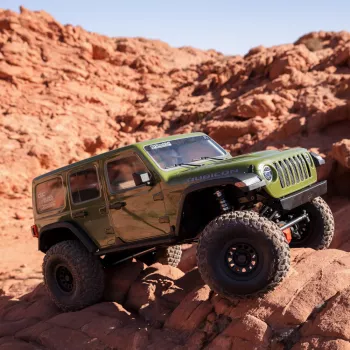
- Ultimate 1/6 Scale RC Off-Road Jeep — a big-scale option aimed at realistic trail presence and controlled off-road sessions.
- Luxury Modern Minimalist Sideboard with Transparent Doors and High-Temperature Resistant Countertop — a clean way to store radios, chargers, and trail tools while keeping gear visible and organized.
- Quirky Kawaii Puppy Minimalist Nightstand — a compact option for parts bins, hex drivers, and battery bags near the workbench.
FAQ
What makes a 1/6 scale RC Jeep better for trails than smaller models?
The larger footprint can feel more stable over ruts and uneven ground, and it’s easier to see what the tires and suspension are doing from a distance. The tradeoff is needing more storage/transport space and typically higher running costs for batteries and replacement parts.
What should be checked before the first off-road run?
Check that wheels, suspension mounts, and body mounts are snug, then set steering and throttle endpoints conservatively to reduce strain. Spin the wheels by hand to feel for binding, inspect tires for proper seating or glue, and do a gentle shakedown on flat ground before tackling obstacles.
How should an off-road RC be cleaned after dirt and mud?
Start by dry-brushing or gently blowing off loose grit, then wipe with a damp cloth to avoid pushing debris into bearings and joints. Avoid blasting water into moving parts or electronics, and finish with a quick inspection for trapped debris, loose hardware, or unusual driveline noise.









Leave a comment