Outdoor Bird Cage Size Guide: Parrots, Finches & Canaries
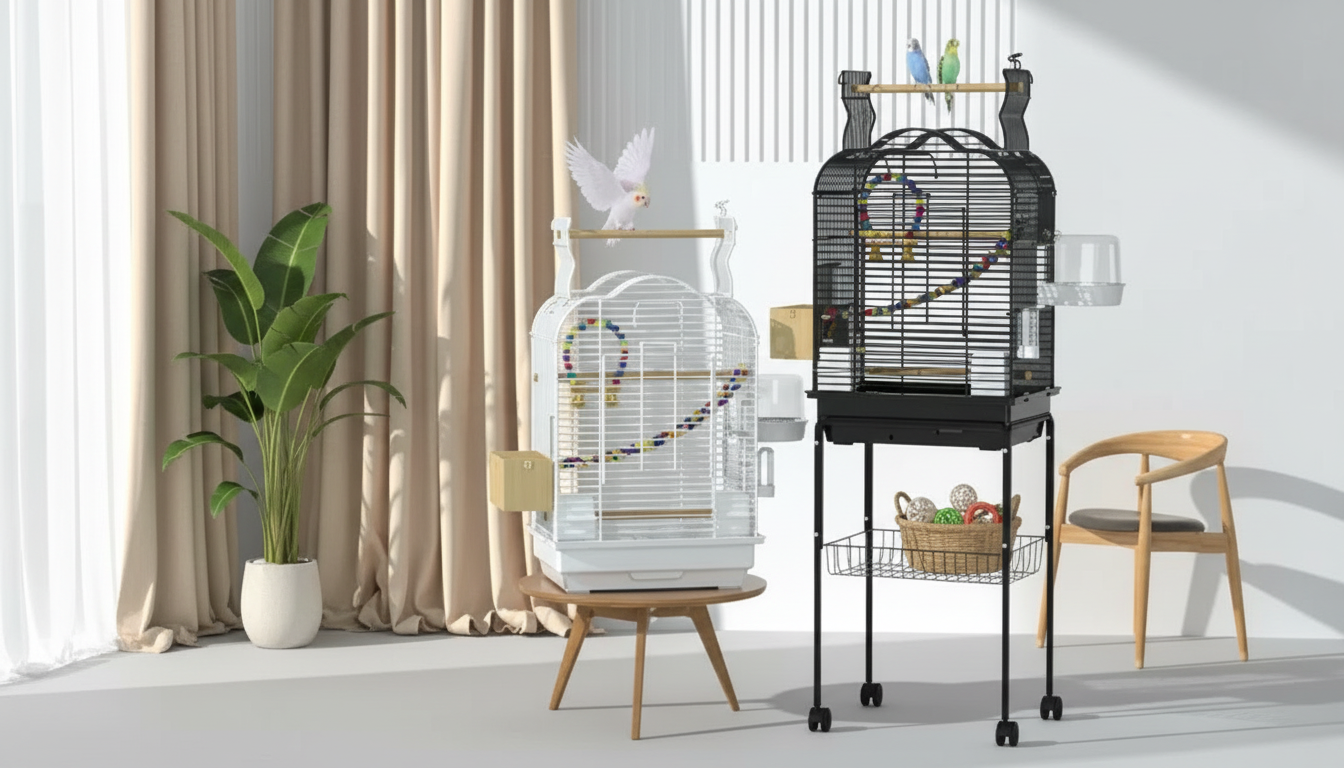
What size outdoor bird cage is best for parrots, finches, or canaries?
The best outdoor bird cage size depends on the species, wingspan, and whether the birds will spend hours outside or live in the enclosure full-time. As a practical rule, prioritize width and flight distance over height, and treat “minimum” sizes as a starting point—bigger is almost always better for comfort, exercise, and reduced stress.
Outdoor cage size for finches and canaries
Finches and canaries do best in longer cages that allow straight-line flight. For one or two small songbirds, aim for at least 30–36 inches long, 18 inches deep, and 18–24 inches tall. If keeping a small group (common with finches), step up to an aviary-style enclosure around 48 inches long or more, with enough interior space to avoid crowding at perches and feeders.
Outdoor cage size for parrots
Parrots vary widely, so size should match the bird’s body length and wing stretch. For small parrots like budgies or cockatiels, look for a cage around 24–30 inches wide (or longer), with adequate depth for wing movement and multiple perch zones. For medium parrots (conures, caiques), a more spacious footprint—often 30–36 inches wide and deeper—is typically more appropriate. Large parrots (African greys, Amazons, macaws) need substantial enclosures, commonly an outdoor aviary or walk-in cage that provides real flight or climbing distance rather than a standard “cage” footprint.
Other sizing factors that matter outdoors
Choose bar spacing that fits the species (small birds need narrower spacing), and leave room for natural perches, swings, and multiple feeding stations without blocking movement. Outdoor placement should include shade, wind protection, and a sheltered area so birds can retreat from weather. If the cage will house more than one bird, increase size to reduce territorial behavior and make it easier for birds to avoid each other.
For a deeper breakdown by bird type, plus practical tips for choosing an outdoor-safe setup, visit this complete guide on outdoor bird cage sizing.
FAQ
What bar spacing is safe for finches, canaries, and parrots?
Small birds like finches and canaries generally need narrow bar spacing to prevent head entrapment, while parrots can use wider spacing depending on size. Always match spacing to the bird’s smallest body width (especially the head) and avoid gaps that allow squeezing through.









Leave a comment